


HISTORY
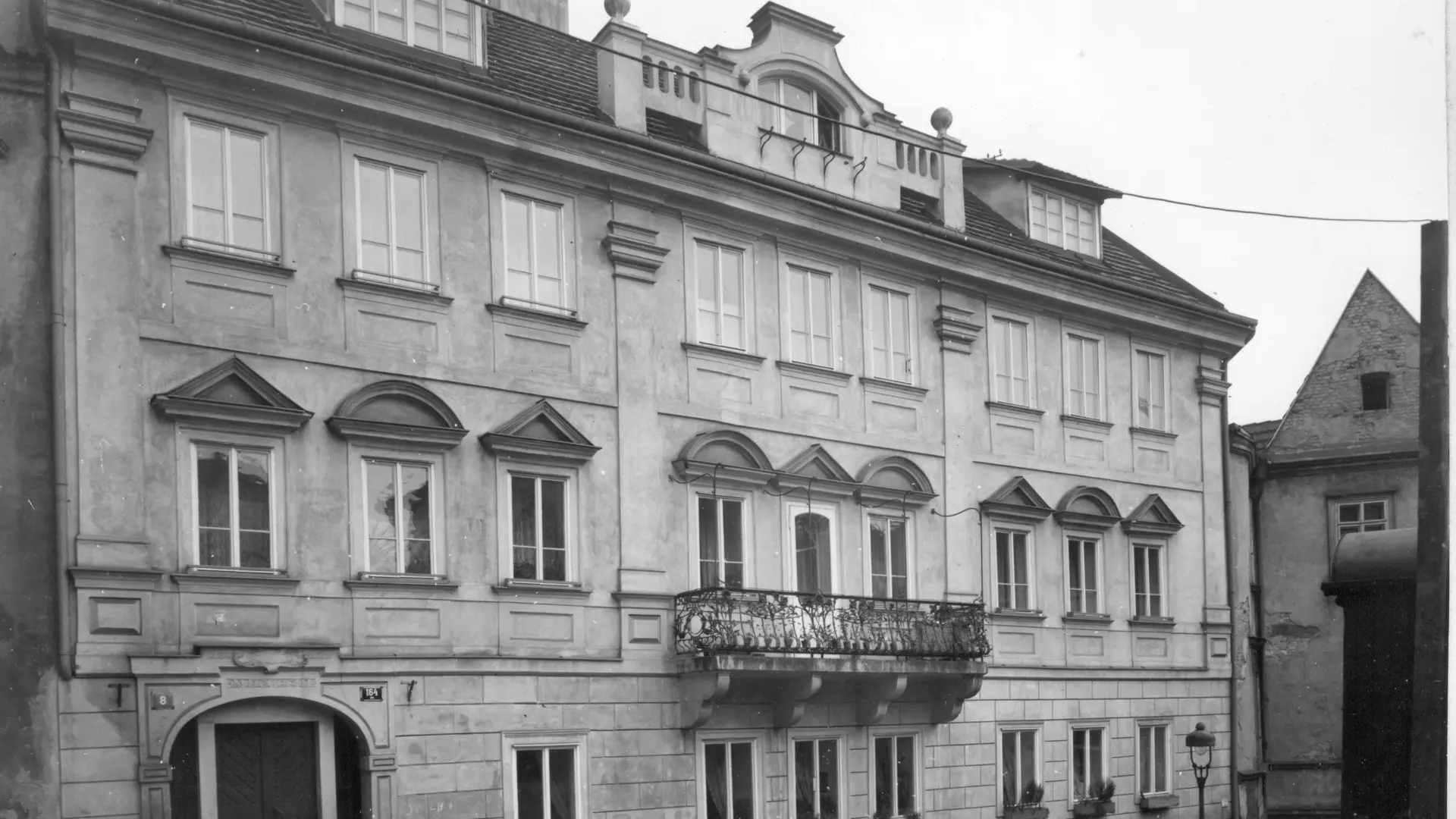
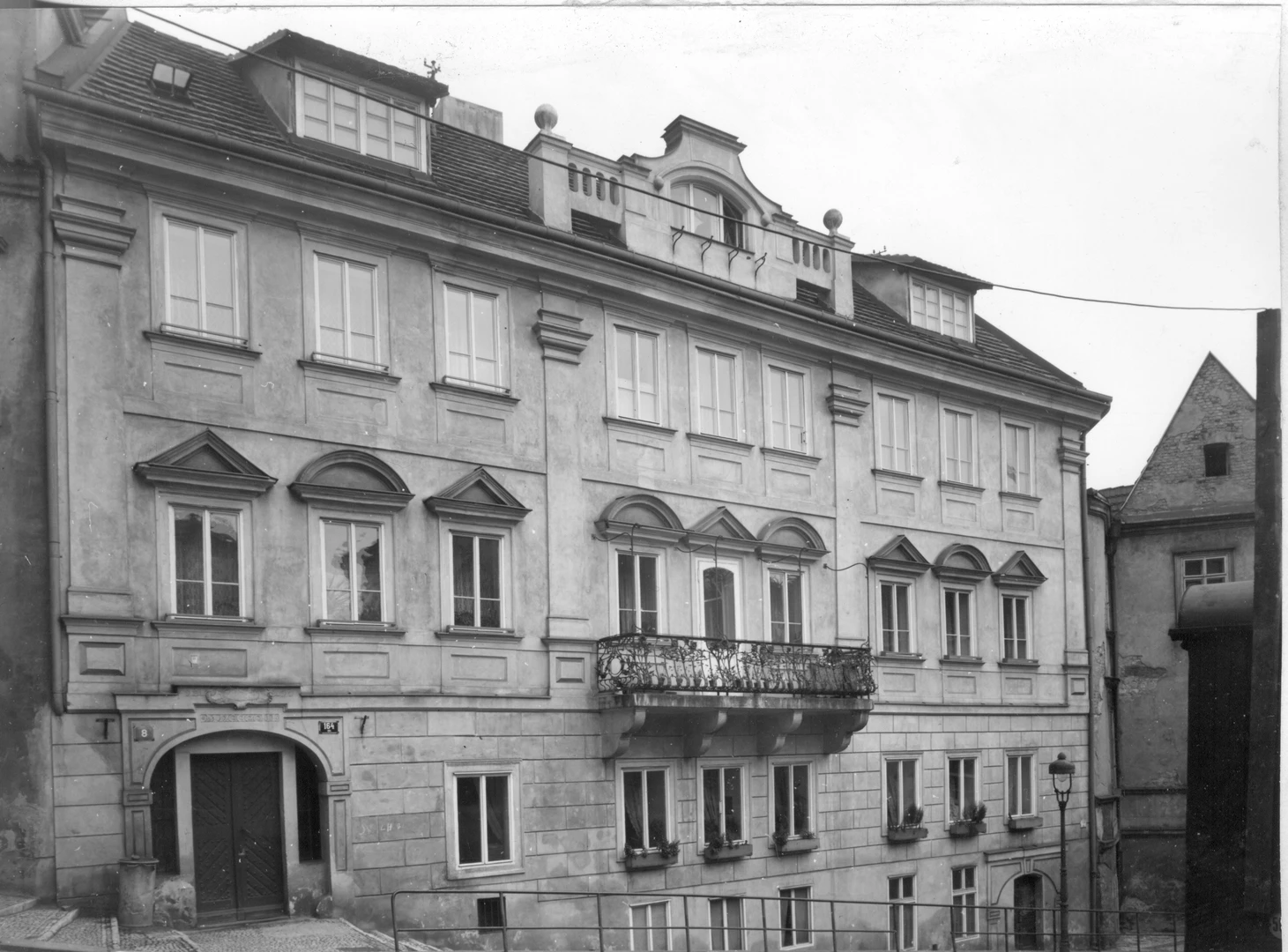
The Alchymist Prague Castle Suites is truly a jewel in the crown of the Alchymist Luxury Group. This ancient residence, with the intriguing name "At the Turk's Head", envisions a visitor's stay in Prague as something more than a simple luxury hotel stay, as we believe in the value of the experience.
If you are looking for a unique place to stay and are a fan of heritage tourism, this residence is definitely the place for you.
HISTORY OF THE BUILDING
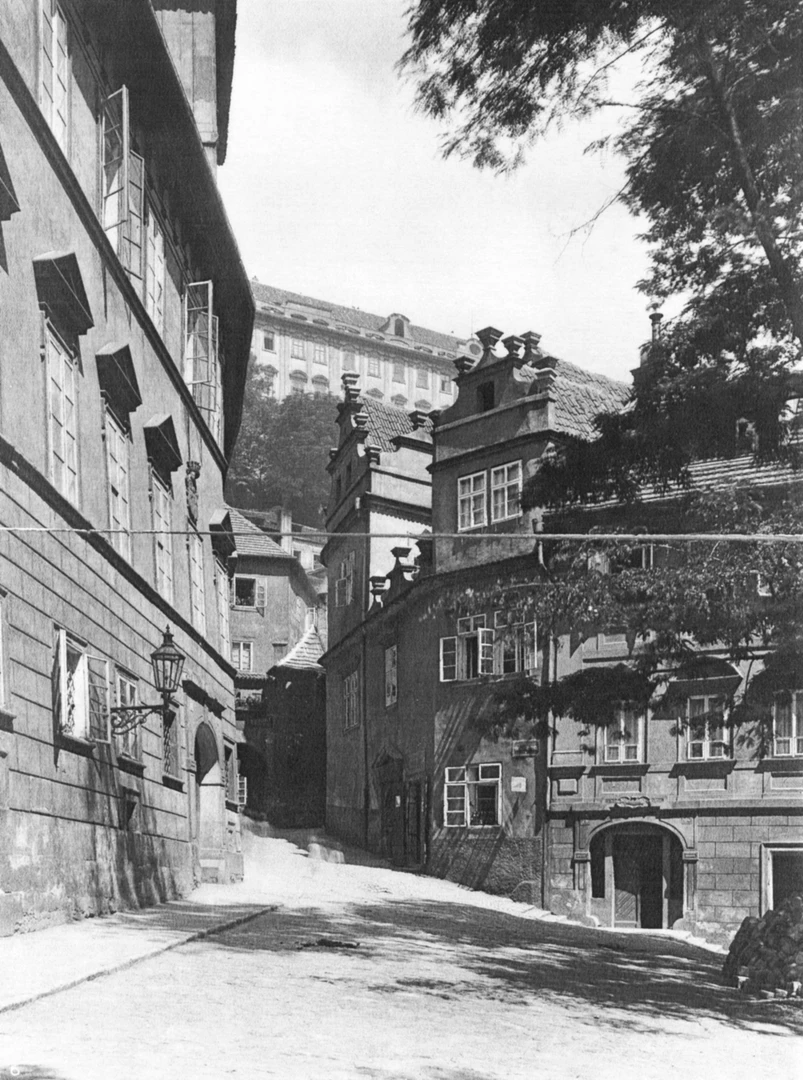
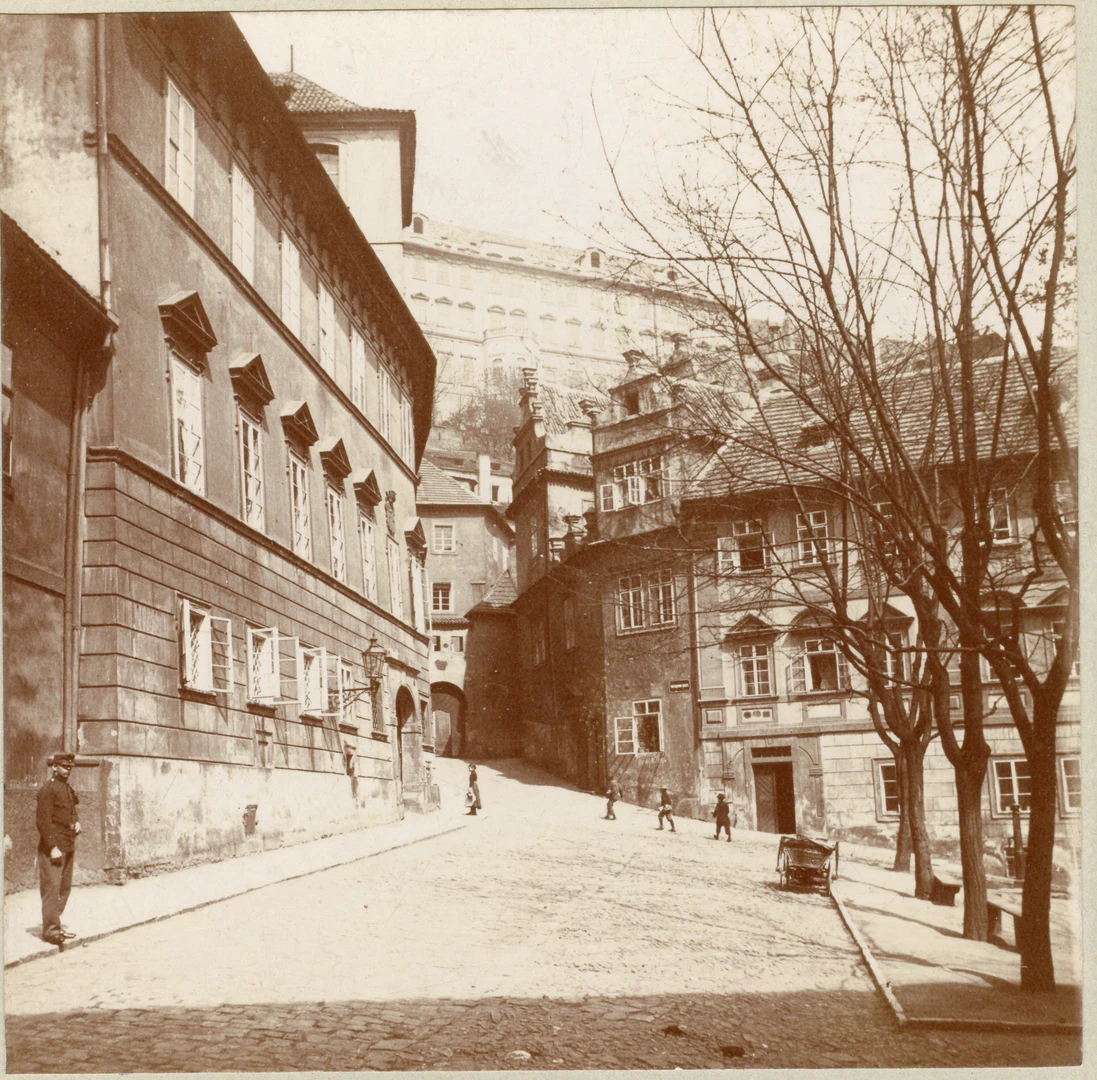
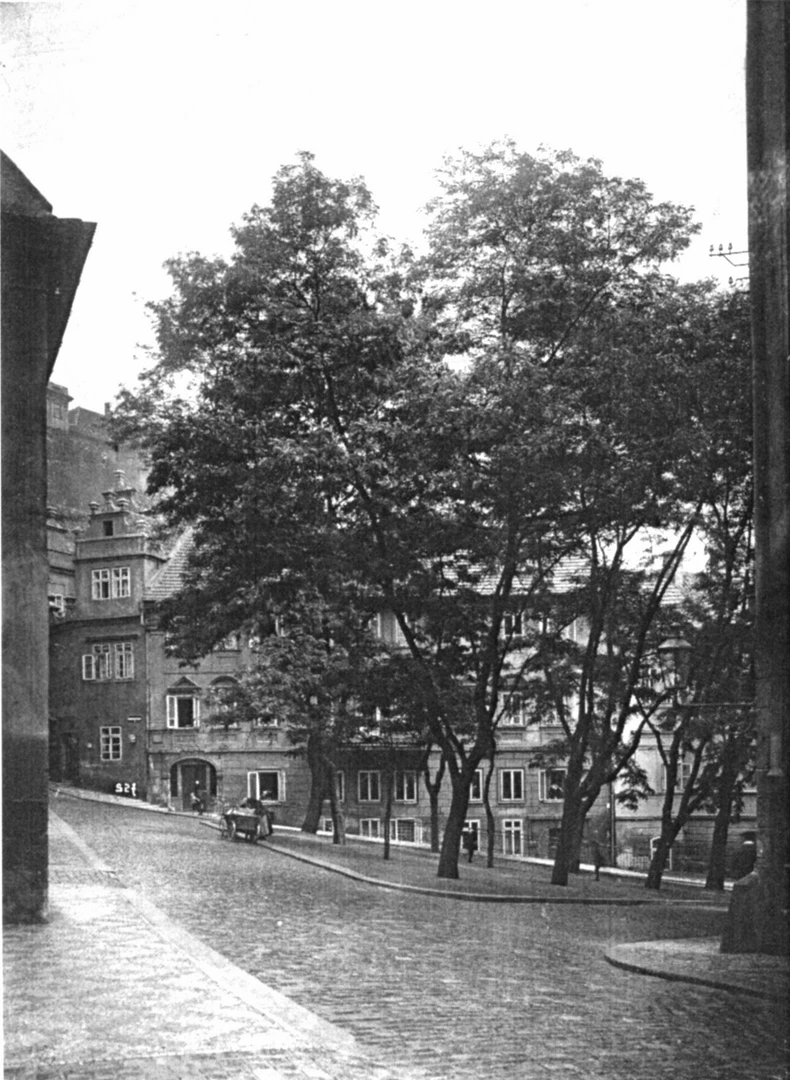
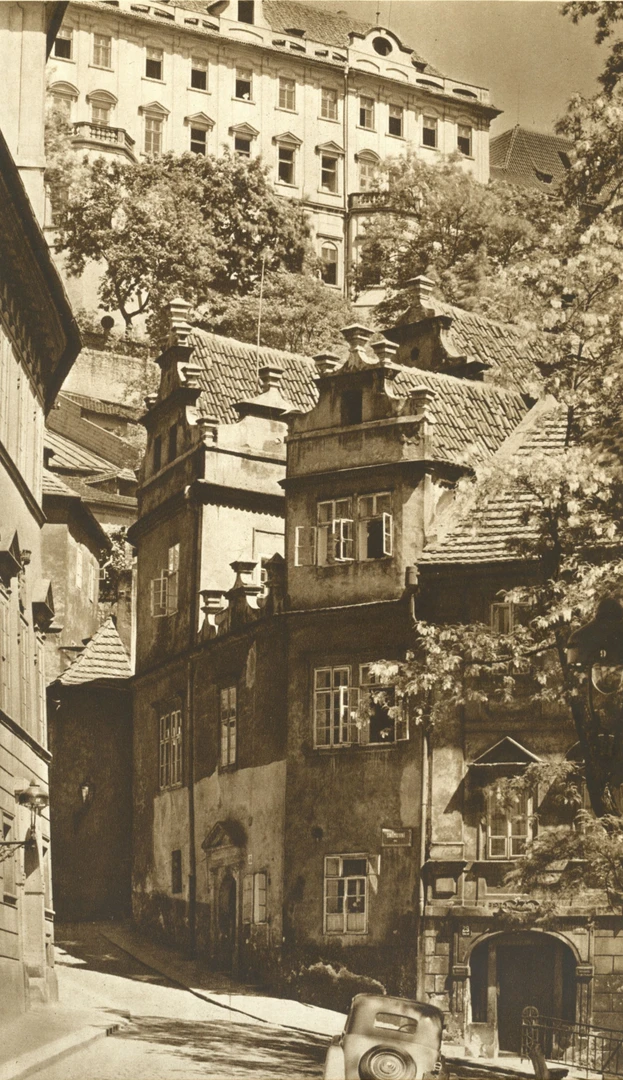
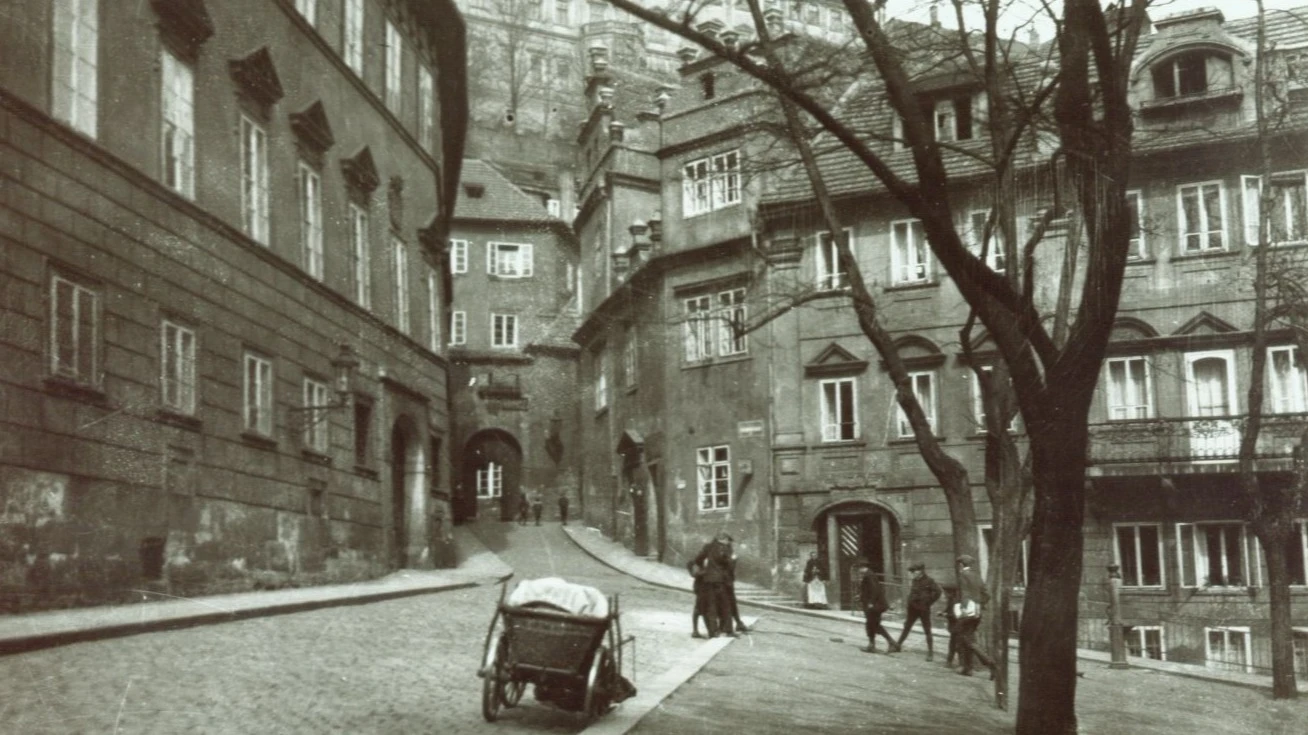
The first written mention of the mansion dates back to 1415, when the house was owned by an important representative of the Czech Catholic nobility, Mikuláš Zajíc of Hazmburka, who was a strong opponent of the Hussites and a great supporter of the king. During the Hussite uprising in 1420, the Lesser Town was badly burned and devastated. Unfortunately, Mikuláš Zajíc's house suffered the same fate and was sold in the 1460s for a very low price. It was then rebuilt and at the end of the 15th or beginning of the 16th century the two adjoining houses were joined to form the present chateau. At the beginning of the 16th century the house was inhabited by Albrecht Rendl of Ušany, the deputy chamberlain of the Kingdom of Bohemia, and in 1518 it was sold to Wolf Ždárský. In 1541, another fire destroyed a large part of the Lesser Quarter, including the manor house and its surroundings. Renovation work was slow until 1583, when the imperial court of Rudolf II moved to Prague; the emperor's introduction to the area resulted in a significant regeneration of the Lesser Quarter, as everyone wanted to be close to the ruler.
At this time the house was rebuilt in Renaissance style and bought by the court ribbon weaver, Michael Langrand of Burgundy. In the ten years that Langrand owned the house, its value tripled - another sign of the extensive building and improvements he undertook. The Renaissance reconstruction of the house resulted in a two-storey building with Renaissance gables, which remained until the end of the 17th century.
Historical sources confirm that the famous Baroque painter Petr Brandl (1688-1739) spent six years of his life in this mansion. An entire hall in the National Gallery in Prague is dedicated to the work of this great artist, with his magnificent work "Bust of an Apostle", dating from some time before 1725. Brandl is known for his technique called impasto, which refers to applying paint very thickly to the canvas so that the strokes of the brush or spatula are visible.
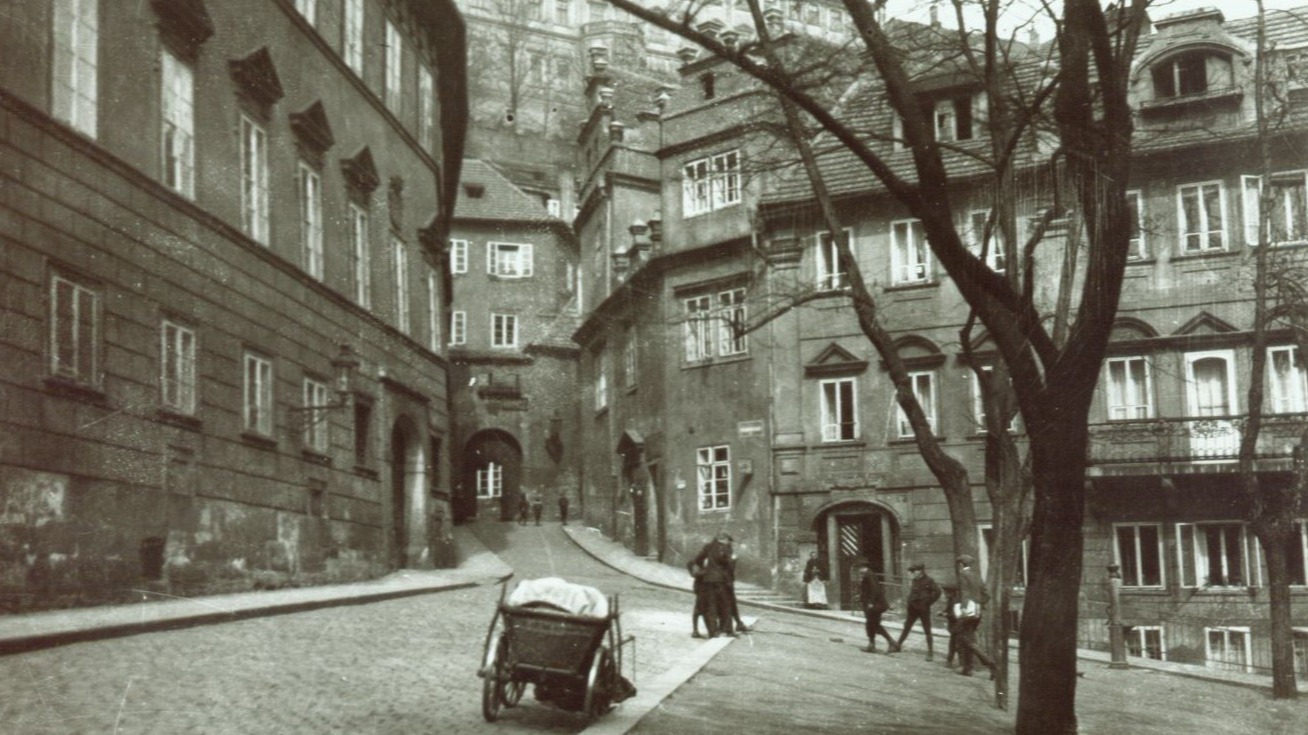
In 1687, the widow of Michal Brandl (Petr Brandl's father) sold the house for 1500 guldens to Tomáš Ignác Pretschner, who invested heavily in the baroque reconstruction of the building. From 1796 to 1804 the house changed hands several times and its value increased fourfold. It soon became an object of speculation, as the rapid political and social changes in the Empire led to an influx of rural people into the cities and, consequently, an increased demand for housing. Over time, the house was altered many times and in many ways to make the most effective use of space and to increase the number of rooms. There is not much information about the history of the house in the 19th century, its owners or its value.
In 1903, Vojtěch Hrstka, a book printer and binder, sold the house to Josef Fanta. Fanta (1856-1954) was a Czech architect, furniture designer, sculptor and painter; he was one of the most prominent representatives of Czech Art Nouveau architecture and created many notable public works, such as the Prague Railway Station. Fanta was also friends with Alfons Mucha, a famous painter and decorative artist whose style is distinctive and easily recognisable. Mucha's touch can be seen throughout the mansion; when you arrive at the Alchymist Prague Castle Suites, you will notice the beautiful main entrance and balcony railings designed by Mucha.
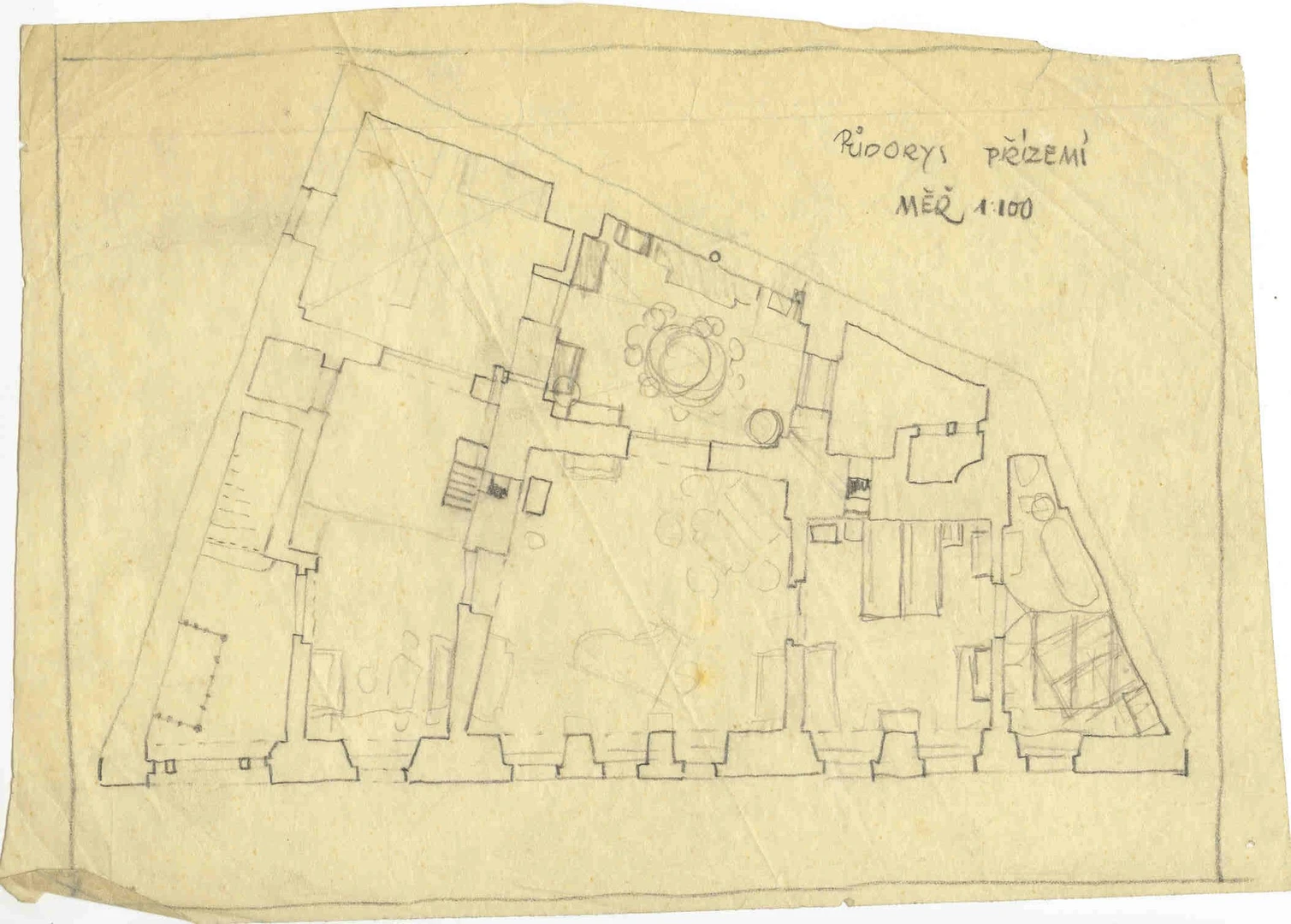
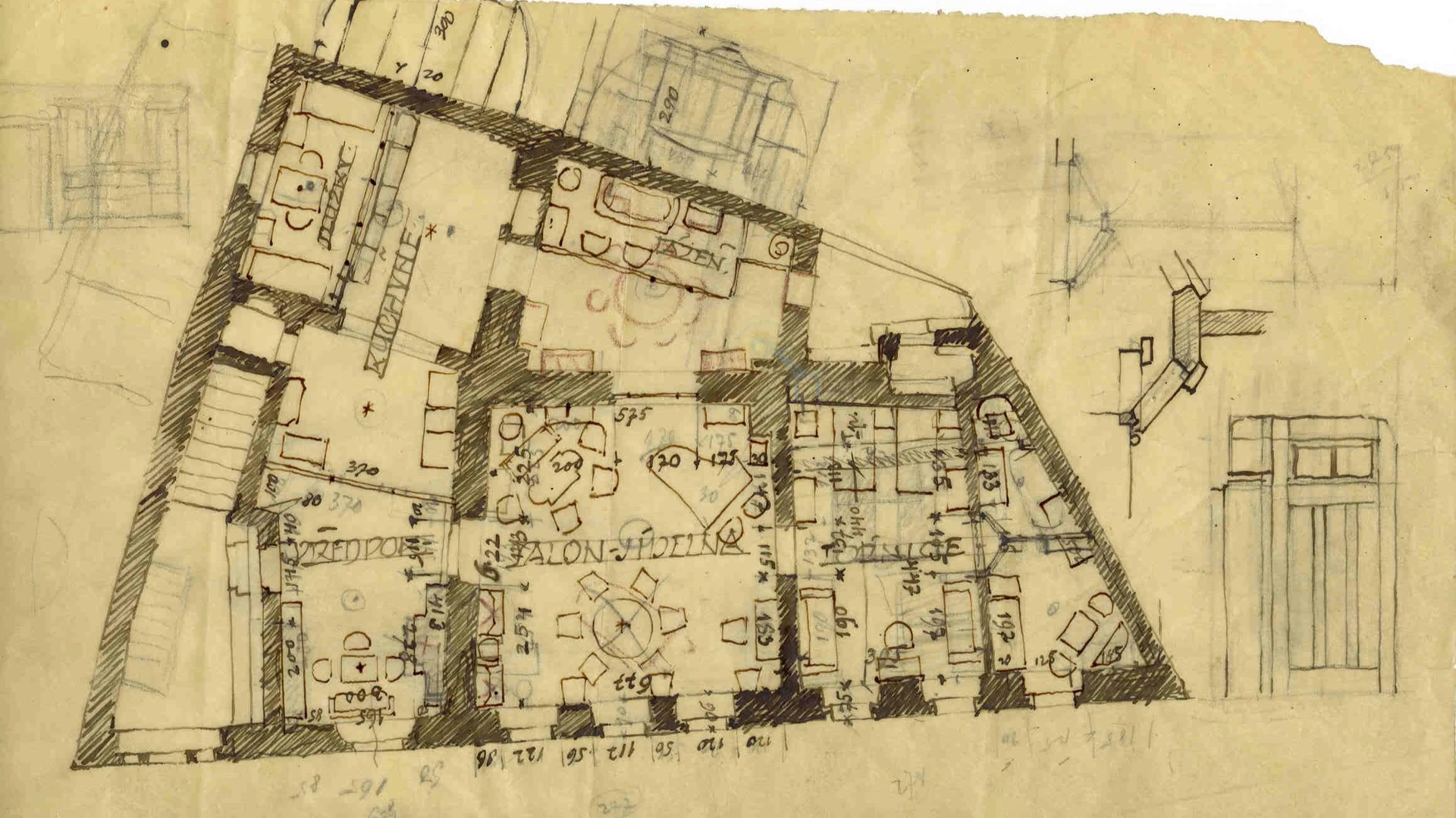
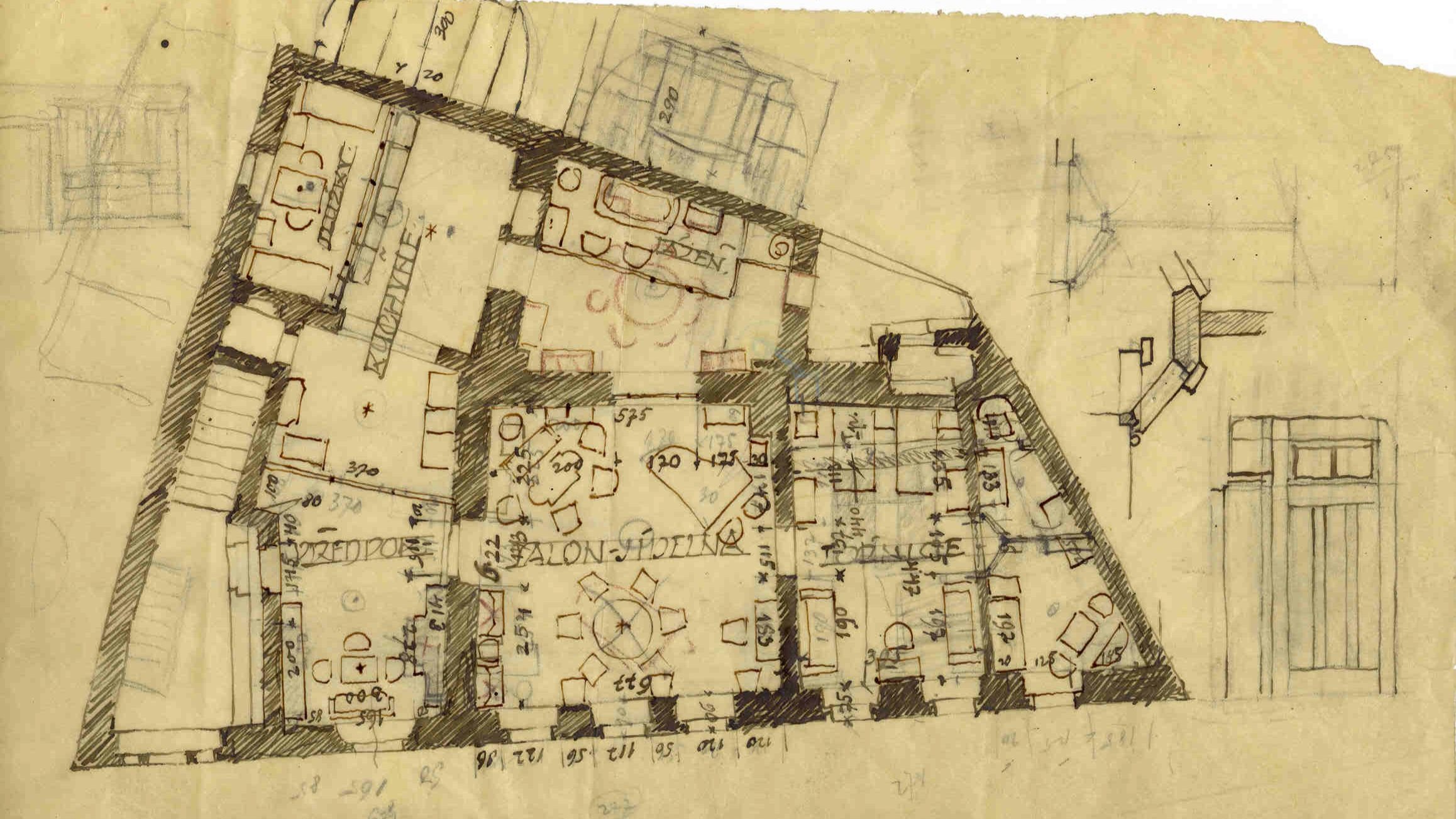
Fanta was granted permission to renovate the house on 14.5.1903 and it is amazing to think that his builder, Frantisek Schlaffer, completed the work by November of the same year. In stark contrast to this speed is the care and attention to detail that has gone into the current restoration of the villa. Not only have the owner and his team painstakingly researched and restored all the Renaissance, Baroque and Art Nouveau features of the house, but they have also had to contend with some fifty years of complete neglect that the property suffered during its period of confiscation by the Communists.
A WINDOW INTO THE PAST